
Baking is all about finding that sweet spot between science and art and the secret ingredient, dough temperature. When it comes to cookies, how long you chill your dough can make or break the final result. A little time in the fridge can enhance flavor and texture. It’s a simple step, but it has the power to transform your cookies from just okay to bakery-level perfection.
Letting it rest in the fridge for anywhere from 30 minutes to overnight gives the butter time to solidify, which means less spreading in the oven and a chewier, more flavorful cookie. The longer the chill, the deeper the flavor. So, how long should you let it rest? If you’re experimenting with your own recipe, start with at least 30 minutes and adjust from there.
Additionally, be mindful of recipes that claim to fame for being a “no-chill recipe.” In recipes labeled as “no-chill,” the dough is typically prepared and then baked immediately, skipping the chilling step that some recipes recommend. This can be a time-saving option, ensuring a quicker turnaround from mixing to baking.
However, no-chill recipes can still be tasty but may pose other problems, such as thinner, almost crispier cookies due to those once again unsolidified fats. Those overnight chilled fats take longer to melt, creating a more even texture and preventing excessive spreading. Thus, making chilled dough is easier to handle and less sticky, making it a breeze to shape and cut. This is particularly beneficial for tall bakery style cookies. Though I do still have a soft spot for those crispy edges from your room temperature dough.
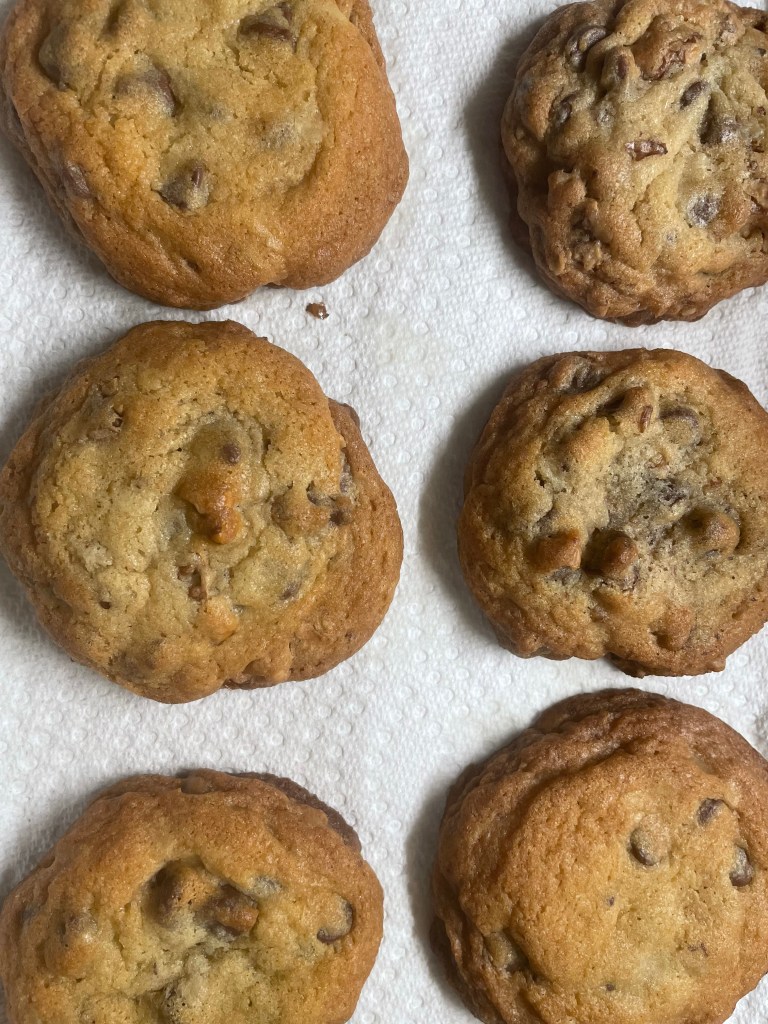
Baking Soda vs. Baking Powder: The Secret to Perfect Cookies
When it comes to baking the perfect cookie—crispy on the edges, chewy in the center—the choice between baking soda and baking powder can make all the difference. While they may seem similar, these two leavening agents work in distinct ways, shaping the texture, spread, and overall success of your cookies.
Baking Soda: The Key to Spread and Browning
Baking soda is a powerful leavening agent that needs an acidic ingredient—like brown sugar, yogurt, or buttermilk—to activate. Once it reacts, it produces carbon dioxide gas, helping cookies rise while also encouraging them to spread. It also plays a role in browning, giving cookies that beautiful golden hue. But be careful—too much baking soda can leave a metallic or soapy aftertaste.
Baking Powder: The Gentle Lifter
Baking powder, on the other hand, contains both an acid (cream of tartar) and a base (baking soda), meaning it doesn’t need an external acid to work. It provides a more controlled rise, resulting in cookies that are softer and puffier rather than thin and crispy. Since it releases carbon dioxide twice—once when mixed with wet ingredients and again in the heat of the oven—it helps create a more cake-like texture.
So, Which One Should You Use?
It depends on the type of cookie you’re craving! If you love chewy cookies with a bit of spread, baking soda is your best friend. If you prefer a thicker, softer cookie, baking powder will give you that lift. Some recipes even use both for the perfect balance of texture and structure.
Creaming Method
Finally, let’s talk about the creaming method—one of the most crucial steps in crafting your favorite cookie recipe. But what exactly is it? The creaming method involves thoroughly whipping softened butter and sugar together, creating tiny air pockets that act as natural leavening agents during baking. This step is essential for achieving cookies with a tender crumb and a beautiful rise.
However, for those looking to experiment, there’s also the reverse creaming method. Instead of whipping butter and sugar first, this technique involves mixing the fat directly into the dry ingredients. The result? A slightly crumbly texture with a tender, sandy consistency—perfect for shortbread-style cookies.
Both methods offer unique results, allowing bakers to customize their cookies based on texture preference.
Finding the Right Balance:
Achieving the perfect balance between chilling your dough, creaming your butter and sugar, or even selecting the appropriate leavening agent is the hallmark of a skilled baker. Experimenting with these variables allows you to tailor your cookies to your desired taste and texture preferences.
As we conclude this chapter in our baking odyssey, remember that mastery is a journey, not a destination. May your cookies be golden, your dough chilled, and your edges crisped to perfection. Until next time, happy baking, and check out my review of Nestle’s Tollhouse Chocolate Chip Cookie Recipe next!
 Live Loaf Love